
Adapting to different cultures is usually difficult and confusing, and quite challenging. Take the standard Italian greeting of a kiss on both cheeks. It’s really not as standard as you might think. Because many people here only touch cheek to cheek while kissing the air. And in many business or formal settings, a kiss on the cheeks is often considered inappropriate.
But whether it’s kissing cheeks, bowing, waving, or shaking hands, in the culture where you’re living it’s important to learn the customs and nuances of the culture in which you live. Not only will this prevent you from looking like a foreigner, but it can also prevent many an embarrassing social faux pas.
All cultures have traditions
And most usually have a mix of old and new. Like Italy, with its longstanding love of old-fashioned homemade pasta alongside its pride in fashion and modern Ferraris. Italians are proud of their modern achievements, but they also cling to their beloved traditions.
The customs and traditions of any country usually seem strange to outsiders. Italy’s are no different. Did you know, for example, that you’re expected to call out a greeting when you enter a home, office, or small shop, even if no one is around? And that not doing so is considered rude?
When entering a business, it’s standard practice to call out “Buon giorno!” In private homes, on the other hand, you should stop on the threshold, ask permission, and wait before entering. And yes, it can feel strange to say “permesso” to an empty hall or room when your host is in another part of the house. But don’t worry, your host will call out “avanti” (come on ahead) from the kitchen or wherever they are!
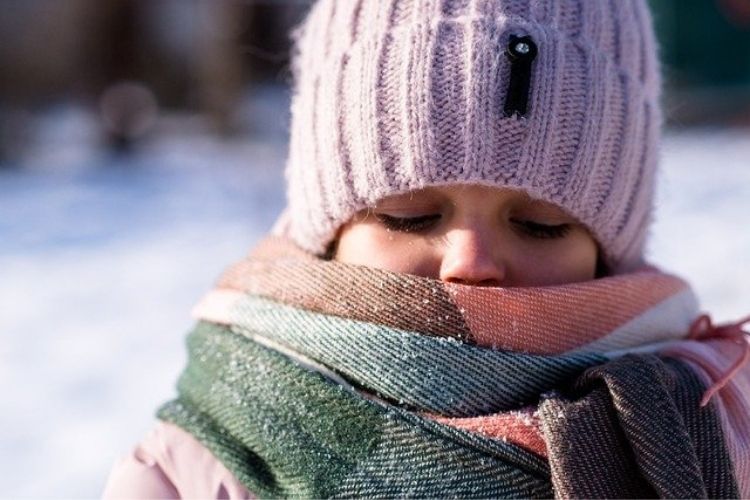
Another, and to me, even stranger custom is their fear of wet hair, wind, and cold air (the colpo d’aria). Most are convinced that wind, breezes, and cold air can cause everything from stiff necks to colds, flu, and even stomach problems. (And sadly some doctors confirm these illogical beliefs!) Many people refuse to use fans and air conditioners for these reasons! Many Italian parents also bundle up their children as if for an Arctic expedition just to walk from the house to the car!
These may seem insignificant – and for the most part they are. But knowing these and other customs can help foreigners fit in. Before turn on the fans, ask your guests if they are bothered by them. Or they may go home blaming you for all their aches and pains!
Explore their culture
No matter where you’ve moved to (or where you may be going), it’s wise to do your research, ask questions, and learn about your host country. Understanding their cultural etiquette can help you avoid making mistakes and social blunders. More importantly, it shows that you care about them and what’s important to them.
The new ways may seem strange and confusing, but if you try to be more open and accepting, you’ll find that over time they begin to seem normal. But the key is not to make comparisons. Differences are often not a matter of better or worse, or right or wrong – just different.
Maintain your own culture
Adapting to the new culture is important. In fact, it is an essential part of fitting in and feeling at home in your new country. But that doesn’t mean you have to give up your own culture. Keeping your own traditions alive can be a big help in getting through culture shock. They give you a sense of familiarity and stability. And they help you see that your world has not collapsed, just gone through a little upheaval.
This is particularly important for children. It provides a link between their old world and the new. It can help them maintain stronger bonds with friends and family back home. Or readjust if they return to their country of birth.
And it provides a great bridge for making new friends. For example, let your kids invite a friend or two to join your Thanksgiving dinner!
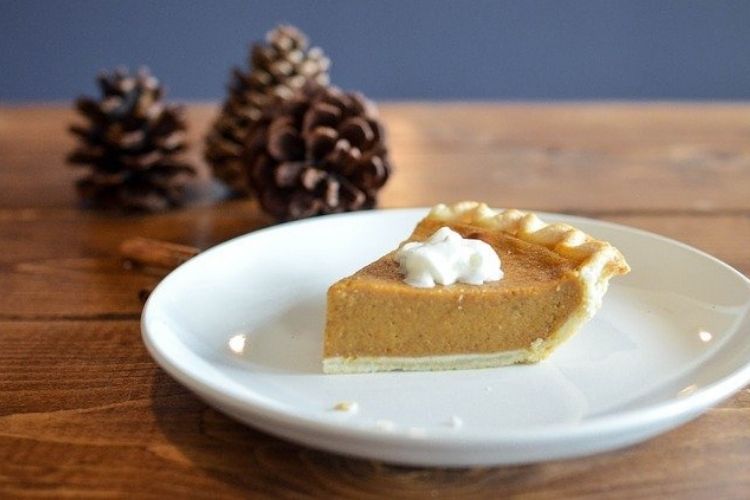
Traditions and customs are powerful tools. They can help you reach out and identify with those you’re trying to teach or reach. Understanding and embracing them can show that you care.
And they can also provide comfort. So sometimes cook your favorite traditional meals, and invite a few friends over. Keep your own holiday celebrations strong. And be patient with yourself.
Adapting to cultural changes takes time, patience, a good sense of humor, and a lot of prayer.
Signora Sheila
A sense of humor can get you through many a rough and trying time. And prayer should be your lifeline, because God is the only one who can really teach you how to love your new country and compatriots as you should. And that is what will really make a difference.
 Signora Sheila
8 responses to “Tradition and Cultural Adaptation”
I like connecting with other believers I will read more of your posts!
LikeLike
Thanks, I’m glad to you aboard!
LikeLike
Nice post and true! In our little village, we have the “sort” which provides lots of firewood for inefficient stoves. They love their stoves so much that they are going all year round. After all, their ancestors did the same thing, right?
LikeLiked by 1 person
Thanks Allen! And yes, you hit the mentality right on the head. Why change what the ancestors have done? If it worked then it should be good enough for us too! Mamma mia!!
LikeLiked by 1 person
I am very much a traditionalist as well. I like old things and the old ways(mostly), but I sure do enjoy every modern convenience that technology provides! As to those fireplaces in Italy, I don’t suppose they have blowers over there do they? Installing a blower keeps the ambience of the fire while projecting the heat into the room instead of up the chimney. Enjoyed this post!
LikeLike
I agree Ron. I think we need a mix of the old and new together. By abandoning all the old, we would lose much of value. But refusing to accept positive change can do the same thing. Actually you can get blowers over here, but most people don’t get them. We have termocaminos or water-heating fireplaces, which are connected to the heat radiators are quite efficient. But most folks don’t like them because the fireplace opening has to be closed by a resealable thermal glass door. And that prevents them from being able to “play” with the fireplace, which seems to be a favorite winter pastime here! Glad you enjoyed this post, and I’m definitely with you – they should do something to keep the heat from going up the chimney!!
LikeLike
I love family traditions. Gathering together for meals, worshipping together and sharing love and laughter. :-)
LikeLike
Me too, Mimi! Although with our family all so far away – it can be hard to keep them. Good thing we have them in our memories – it can make them still seem close. I’m glad you have your family near enough to make new traditions and memories together!!
LikeLike