
Most service-related occupations were carried out in the marketplace. An important place in the life of Oriental communities for conducting business, and more. As we have learned in the other posts of this series, the marketplace also served as a meeting place, a kind of employment office, and even as a preliminary court.
In this section we will look at the various services offered in the town marketplace. Much like today’s towns, the Oriental marketplace offered everything from banking and hospitality services, to laundries and barbers. After the temple or synagogue, it was the center of the community.
Service occupations
(In alphabetical order.)
Bankers, lenders, and money changers:
Banking services were not established in Israel until after the exile. Before that, people simply buried or hid their treasure.
Levitical law forbade the charging of interest, except to foreigners, and the prophets also strongly condemned the charging of high interest rates.
The actual banking business didn’t begin until New Testament times, when bankers’ shops and booths were opened in the marketplace next to the butcher, the baker, and the basket maker, or in the temple next to those selling animals for the sacrifice.
Through the bankers people could exchange foreign coins for the Jewish shekels needed to pay the temple tax. Or borrow money for mortgages, purchases, or emergencies, usually at high interest rates. Or even deposit their money for safekeeping, though at much lower interest rates.
Barbers:
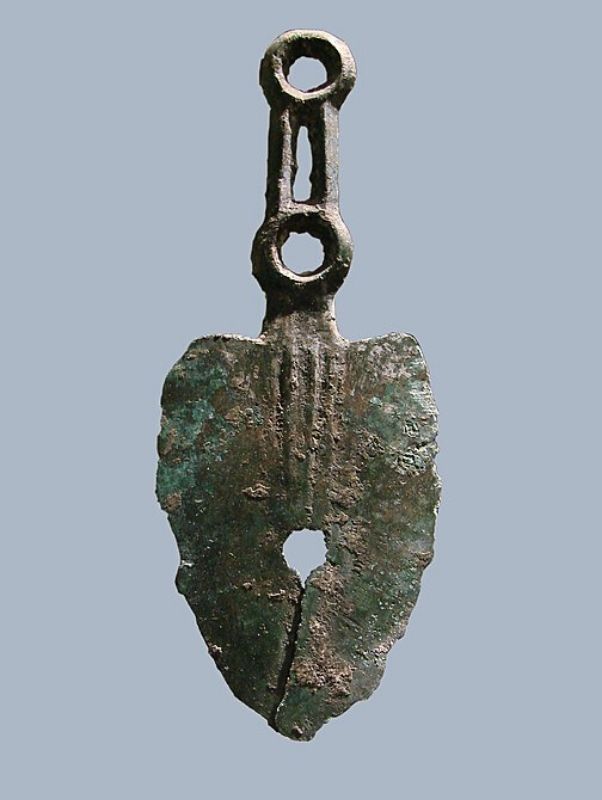

The Levites were not allowed to grow their hair too long or unruly, and religious vows sometimes required them to shave their heads.
Barbers provided these necessary services in open-air stalls either in the marketplace or in front of the temple. Although sometimes a person would cut his hair at home with a sharp sword or knife (Ezekiel 5:1).
Barbers usually worked with with few tools. A cloth to cover their client, crude mirrors made of polished bronze, and simple razors and shears, also made of bronze.
Fullers:

These ancient launderers not only washed dirty clothes, but they also dyed or bleached fabrics to prepare them for weaving. Their tools were simple and few: large vats, a source of running water, homemade soap or fuller’s earth (a cleansing clay), and a sunny place to dry the clothes.
The fuller’s shop was usually located outside of town where fuller’s earth was more plentiful and rivers were closer where the laundry could be rinsed. But also because the soap-making process produced strong odors, especially since fat, sulfur, and putrid urine were common ingredients.
Innkeepers:
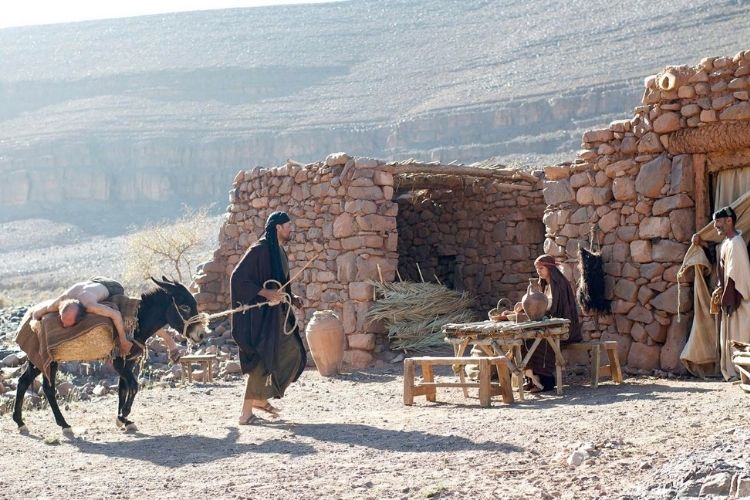
Often called hosts (Luke 10:35), the innkeepers provided lodging for travelers, which in earlier times might have been nothing more than a sleeping place, to pitch a tent, or a room in someone’s home.
Sometimes these rooms were rented out for a special meal, such as Christ’s Last Supper, or to prisoners, such as the apostle Paul, who were under house arrest.
In time, hostels were opened along travel routes, consisting of unfurnished rooms opening onto a central courtyard where guests could sleep, cook their meals and shelter their animals. Sometimes the host would also sell basic foodstuffs to the weary travelers.
Actual inns with furnished rooms, meals, and entertainment came later, in Roman times. Many of these allowed unsavory practices and a rather raucous nightlife. As a result, most Jews preferred to stay in hostels or accept hospitality in someone’s home.
Merchants:
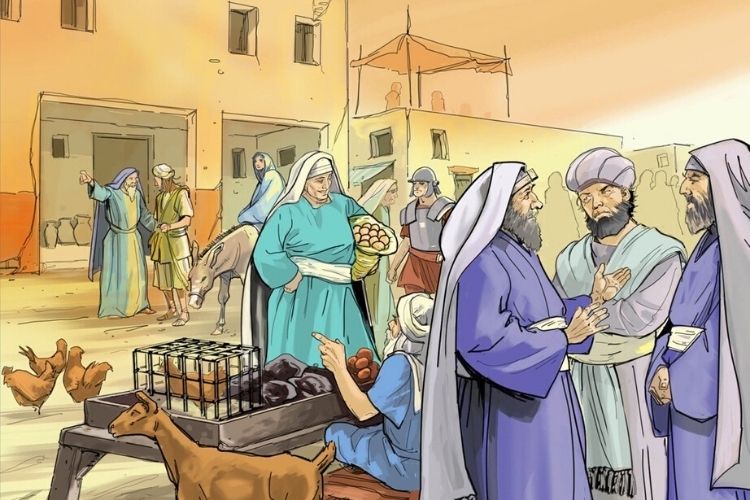
Merchants, with their caravans and shiploads of goods imported from distant lands, held a prominent position in society from the earliest times and often became quite wealthy.
These merchants either purchased goods from traveling caravans or ships, or operated their own. These goods, in turn, were sold to merchants for sale in their shops and stalls.
Because so much trade was conducted through the barter system, goods rarely had fixed prices. Only after a bargain was struck would goods, services, or money change hands. And for just about everything under the sun, from food and spices, to clothing and household items, to goats and even peacocks! What a colorful sight it must have been!
Nurses and midwives:

Nurses, usually women, were someone who cared for the sick or a nanny who often held an honorable and important position in the family. A tender, lifelong relationship often developed between nannies and the children they helped raise.
The midwives who attended mothers during childbirth were usually older female family members. In addition to assisting in childbirth, they cared for the infants after birth, cutting the umbilical cord, washing them, and wrapping them in swaddling clothes. While performing their duties, they would also train younger women to continue this important service.
Physicians:
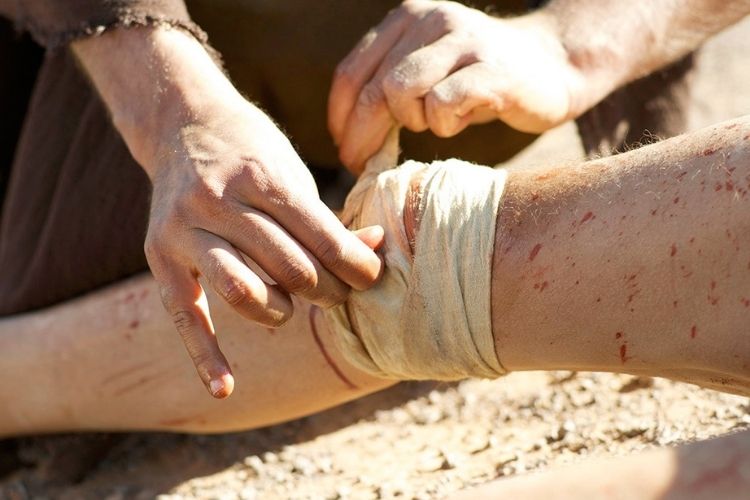
Unlike other ancient nations, where medicine was strongly associated with exorcists, magic, and pagan religious practices, the Jews believed that all healing came first and foremost from God. Jewish physicians practiced medicine with the firm belief that they were simply God’s helpers.
In Old Testament times, the few physicians were probably trained in Egypt, which had made the greatest advances in medical knowledge. In Greek and Roman times, great advances were made in medicine, but in remote areas like Palestine, most people were probably born and died without ever seeing a trained physician.
Sick people were treated at home by family members or by someone who had become skilled at nursing or even setting broken bones. Most common ailments like pain, headache, fever, skin problems, and indigestion were treated with homemade salves, balms, ointments, olive oil, poultices, and infusions made from plants and herbs such as frankincense, myrrh, hyssop, and ginger.
A center of daily life
As we see from today’s post and from Bible Occupations: The Marketplace, the ancient marketplace was very much a hub of Jewish society. That it played an important role in people’s lives is also confirmed by the fact that Jesus mentioned it in several times in his teachings and parables.
Images from FreeBibleImages.com: Contract | Bible inn | Midwife| Doctor (all by LumoProject.com. | Marketplace by ToTheEndsOfTheEarthMovie.com. | Shears & Razor | Others are mine.
 Signora Sheila
13 responses to “Bible Occupations: Service-Related”
I love this❤️❤️. You’ve got a nice blog, and I’m glad to follow you. 🤗 It’s an honor to be here 🙇 . I hope I can make good friends with you💐
LikeLike
Thanks Vincent. I’m glad you liked this post, and I’m glad to have you here!
LikeLiked by 1 person
You are highly welcome 🙏😊😊😊
I’m glad to meet you Signora (are you cool with me calling you that?)
How is everything going? I hope you are doing great?!😃
LikeLike
Yes Vincent, that’s a fine thing to call me. Everything is fine over here for us, and hope you can say the same about where you are.
LikeLiked by 1 person
😃that’s nice.
Everything is going on well here, thanks 😊
LikeLiked by 1 person
Our pastors have lately been preaching from the parables. Just last Sunday was the parable of the talents (Matthew 25:14-30). In verse 27 the master chides the third servant for burying his talent, when he could have at least given it to the bankers and accrued interest. Somehow I had missed that word, “bankers” before, and was surprised the ancient world provided such services. Then I wondered when that profession began in Israel. Two days later, Sheila, you’ve given me the answer! Thank you!
LikeLiked by 1 person
I know, Nancy, that I’ve been noticing a lot more things like this since I’ve started delving into Bible times. It’s amazing to me to see how much the background information can bring the Scriptures to life in a greater way! I was surprised to learn that they had bankers too! I’m glad you’re enjoying the series too!
LikeLiked by 1 person
Fascinating! I love learning how things looked in “Bible Times” because it gives context to how I see the people and circumstances. Thanks for this investigative reporting, my friend.
LikeLiked by 1 person
Thanks Dayle, so glad you’re enjoying them. But to be truthful, my motives for doing them are selfish. I do them because I need to know and learn these things. Over the past few years I just can’t get enough of Scripture!!
LikeLiked by 1 person
That’s always the best reason, my friend.
LikeLike
Thanks Dayle, I pray that he will help this hunger to grow more and more!
LikeLike
Very interesting. I learned some new things. Thank you.
LikeLiked by 1 person
Thanks Mimi! I know that I am sure learning a lot through these posts. Glad to know that they are helping others too!
LikeLiked by 1 person