
We can only imagine Joseph’s dismay when he found no room in Bethlehem. They ha to sleep in the stable, and with a baby on the way! It But iwas not because the famous infamous innkeeper, anonymous and always maligned, was inhospitable. It was because every home and inn was full.
In Jewish culture, it would have been a breach of etiquette and conscience to intentionally leave weary travelers, especially one in Mary’s condition, out on the street.
Above all, keep loving one another earnestly, since love covers a multitude of sins. Show hospitality to one another without grumbling.
1 Peter 4:8-9
Hospitality was a sacred duty
Travel was slow, tedious, and often dangerous. Christ’s parable of the Good Samaritan, who helped a man who’d been attacked by bandits on the road to Jericho illustrates this.
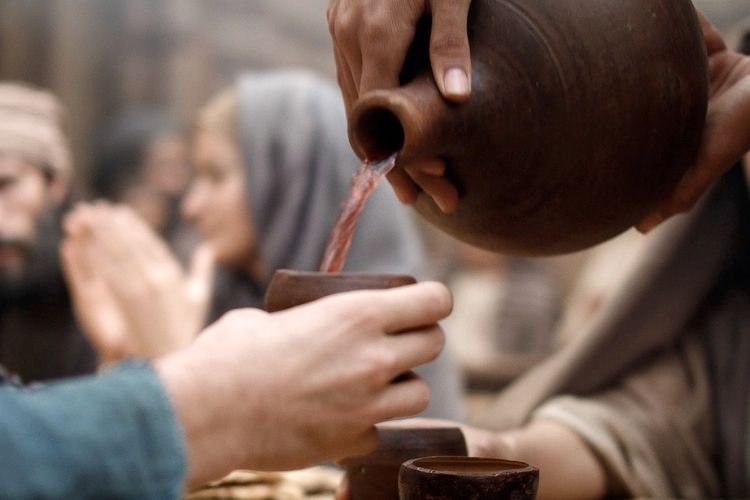
It was important to provide travelers with a safe place to spend the night. And not only the Bible, but also the rabbis urged hospitality in the strongest terms.
Some rabbis even suggested having four doors on a house, to welcome travelers from all directions. Rabbinic literature, for example, claims that the homes of both Abraham and Job were like crossroads inns, with four doors each opening to the four cardinal points, so that wayfarers would have no trouble in finding an entrance.
It is said that during the pilgrimage feasts no one ever wanted for hospitality. And it seems to have been customary for homeowners to hang a curtain in front of the door to indicate that they still had room for guests.
Regarding hospitality, we find the following interesting saying in the Jewish Talmud (one of the central texts of rabbinic Judaism). One that I really like! “Let your doors be wide open and let the poor be the children of your house.”

Hostels along remote roads
That’s why they built hostels along the nation’s more remote roads of the country. Special hostels with unfurnished rooms that opened around a large central courtyard that was used for animals and carriages. It was too dangerous to spend the night alone out on the road.
While lodging was free, an ‘innkeeper’ (usually a foreigner), sold necessities: wine, olives, oil, dates, figs, and other things travelers needed. The Good Samaritan may have taken the injured man he found on the road to one of these hostels.
Actual inns
But later in Roman times, actual inns opened along the highways. With rooms to rent and public entertainment, their menus typically featured locusts. And you could choose to have pickled, roasted, or fried and with honey. And then wash them down with cider, homemade wine, Babylonian beer, or an Egyptian drink that no one seems to be quite sure about.
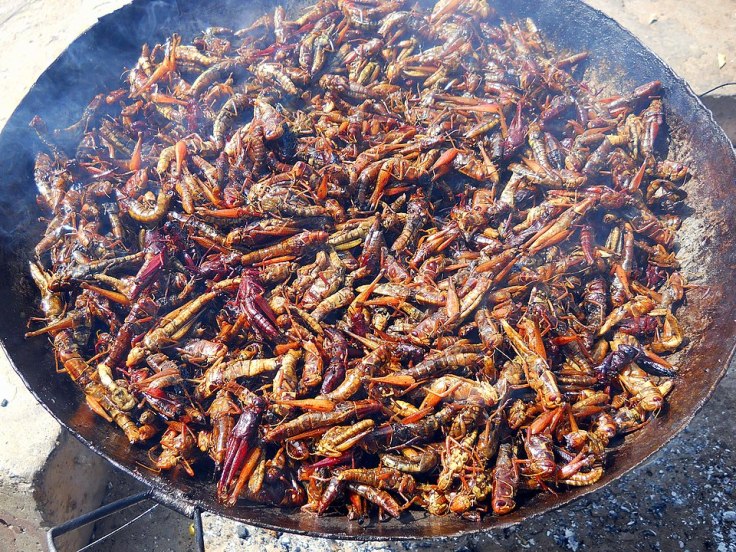
These taverns were places of wild noise and raucous living, where travelers not only squandered their earnings on gambling. And they risked arrest by Herod’s secret police, if perchance if they unwisely expressed the wrong opinions. Most Jews probably preferred the hostels as the safer and wiser of the two.
Travel was ardous and dangerous
And never undertaken lightly. One always hoped to find a safe haven before nightfall. An door open, someone with room. But even as more lodging became available, travel remained dangerous. So Jewish custom required people to open their homes to travelers.
No room at the inn
But there was no room at the inn for the birth of the Christ child.
At the emperor’s command, everyone returned to their hometowns for the census; see Luke 2. All of Israel, indeed all the world, was on the move. Every place was full. Bethlehem was bustling, filled with busy, hurrying people.

A picture of our lives
Isn’t this often a picture of our own lives? Full of many things that keep us busy. Some are necessary, like obeying laws and paying taxes. Or going to work and cleaning the house. But often full of pointless, useless activity. Things that really don’t matter much. Things we use, perhaps, to fill an otherwise empty and unfulfilled life?
And sadly, this seems to happen even more during the Christmas season. People everywhere are rushing and shopping, trying to find the perfect gift, or create the best Christmas ever.
But I wonder, in all our hustle and bustle, will we pause to remember the best Christmas of over 2000 years ago?
Many of us will be traveling too, this Christmas. How terrible to find no place to stay. To show up at The Inn of the Fried Locusts and find a “No Vacancy” sign hanging outside. And have to spend the night out in the cold.
Even Mediterranean winters, like the one Joseph and Mary experienced, are far too cold to spend the night in a car. Or even worse out in the open near a donkey.
But it would be even worse to hang a “No Vacancy” sign on the door of our hearts. “No room for the King. My life is too busy. My mind too worried. My heart caught up with other things. Try again next year.”
My prayer this Christmas is to keep life, and its celebrations, simple. Simple enough to leave space, time, and peace of mind to focus on the things that really matter. Without getting caught up in busy busyness that brings weariness and dissatisfaction.
What about you? What sign have you put up? Have you made room for Christ in your heart?
Hospitality was a sacred duty in biblical times. And according to Scripture, it still is today!
Show hospitality to one another without grumbling.
1 Peter 4:9
Images: Eggs | Locusts by KiethK CC BY-SA 4.0 from Wikimedia | Bible inn & Pouring wine by http://www.LumoProject.com from FreeBibleImages.org.
 Signora Sheila
2 responses to “Inns and Hospitality in Bible Times”
What you describe here, Sheila, sounds much more worshipful than where some of us find ourselves as Christmas draws near. I just wrote myself a reminder note: “Keep it simple!” I want these next couple of weeks to be joy-filled, not stress-filled!
LikeLike
I agree Nancy. So why do we so often seem to struggle with keeping things simple. Let’s concentrate on creating a simple joy-filled Christmas this year!
LikeLiked by 1 person