
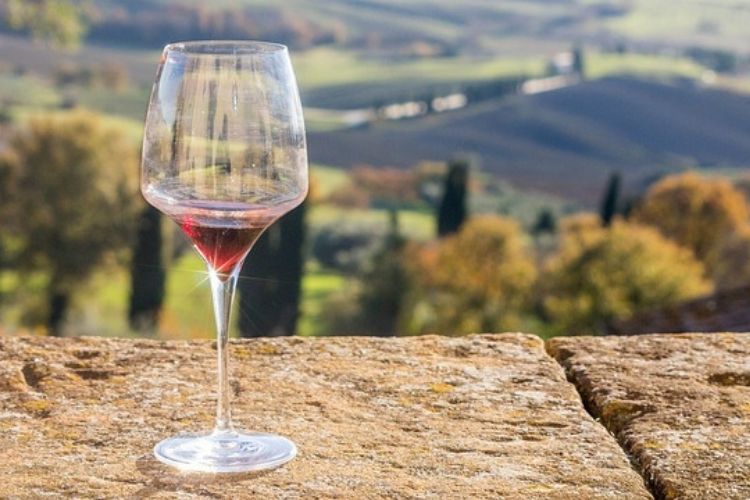
San Martino is celebrated on November 11, the day of his burial in Tours, France. But San Martino also refers to the unseasonably warm weather that Italy usually enjoys in the first half of the month! Which, according to folklore, is due to a good deed performed by this Roman saint.
The Story of San Martino
Born in 316 AD, in what is now Hungary, Martin was forced to join Roman army as a young man. While on sentry duty one freezing winter day, he came upon a bedraggled, poorly dressed man stumbling along in the icy wind, Moved by compassion, Martin proceeded to cut his own warm cloak in half and gave half to the beggar.
That night Martin had a dream. In his dream he saw Jesus who was wearing the mantle and said, “It is I whom you helped.”
After that experience, Martin became a Christian, took religious instruction, and dedicated himself to spreading the word of Christianity. He became the third Bishop of Tours, in France.
Another part of the legend is it that after Martin donated his cloak, there was an unseasonably warm spell occurred. And that this warm spell usually returns every year, as a way of rewarding Martin’s kindness.
This period has come to be known as “L’Estate di San Martino,” or St. Martin’s Summer.
Saint Martin’s Summer
Scientists, however, offer a more technical explanation. According to them the unusual warm spells are caused by dust from a meteorite making its regular journey around the Earth.
Known here as Roman Summers here, these warm weather periods occur in many parts of the world. The USA has Indian Summer, so-called because it gave the Native Americans more time to harvest their food.
I Bulgaria it’s known as Gypsy Summer. While in Germany, Austria, Switzerland, Lithuania, Hungary, Finland, and most Slavic nations, it’s simply called The Old Woman’s Summer!
Tenants moving day
In medieval times, it was on Saint Martin’s Day that the lords of the manor decided which of their tenants could stay on and which had to go. Imagine how grateful the serfs, forced to find new homes and jobs must have been for the warm weather!
I doubt they really cared about the cause of the warmth, but simply hoped to find shelter before winter set in. Because great as the warmth of Saint Martin’s Summer is, it doesn’t last forever. Winter is just around the corner, as the following Italian proverb reminds us:
Da San Martino, l’inverno è in cammino.
After San Martino, winter starts marching our way.
San Martino Sayings
There are many sayings about St. Martin’s Day. And not surprisingly, many of them have to do with travelers, weather, and agriculture. Like this one, which predicts winter weather based on whether or not people could get out to cut wood on St. Martin’s day:
“If St. Martin’s brings good weather, go out and cut your wood, for the winter will be cold. But if bad weather keeps you from from going out, don’t worry, the winter will be mild.”
(The Italian version: Se il giorno di San Martino è bel tempo il santo può andar a far legna: l’inverno sarà freddo, se il giorno di san martino è brutto tempo il santo resta in casa, non può andar a fare provvista di legna, quindi l’inverno sarà mite.)

More weather sayings
| English | Italian |
|---|---|
| If the sun shines on San Martino, the mill will freeze on Christmas. | Se c’è il sole al San Martino, a Natale ghiaccia il mulino. |
| If at San Martino the sun doesn’t peep out, you’d best stay in on Epiphany. | Se a San Martino il sole non fa capolino, a Befana tutti dentro la tana. |
| Snow among the thorns on Martino? Open the cask, and drink the wine! | San Martino, la neve fra le spine, buca la botte e bevi il vino! |
| On San Martino get your wheat to the mill. | A San Martino il grano va al mulino. |
| He who wants to make good wine, hoes and prunes in the days of San Martino. | Chi vuol far buon vino, zappi e poti nei giorni di San Martino. |
Plus this special one from our own Abruzzo, about the region’s second highest mountain peak, the Maiella.
Se la Maiella se mette il Mantello, vendi il cappello e compri l’ombrello!
When the Maiella wears her cloak [of snow] sell your hat and buy an umbrella!


Adages on food and celebrating
Many of the popular sayings, as you would expect in Italy, revolve around food and celebrations!
| English | Italian |
|---|---|
| Always keep roasted chestnuts and new wine ready for San Martino! | Caldarroste e vino e nuovo vino, tiene pronti a San Martino! |
| Wine is the only grape juice for San Martino! | San Martino, ogni mosto è vino. |
| For San Martino the leaves fall and the wine is uncorked. | Per San Martino cadono le foglie e si spilla il vino. |
| Goose, chestnuts, and wine celebrate San Martino! | Oca, castagne, e vino per festeggiare San Martino. |
How to celebrate St. Martin’s Summer
The last saying in the above list explains how St Martin’s Summer is traditionally celebrated: with roast chestuts, wine and goose.
And even the goose ties into the legent of Saint Martin. After Martin became a monk, it was decided that he should be made Bishop of Tours.
Tradition has it that Martin, preferring to remain a simple monk, hid in a goose coop. But his presence, which made the geese honk, led to his discovery and he was made bishop. Since then, the goose is eaten to honour the bishop for his humility.
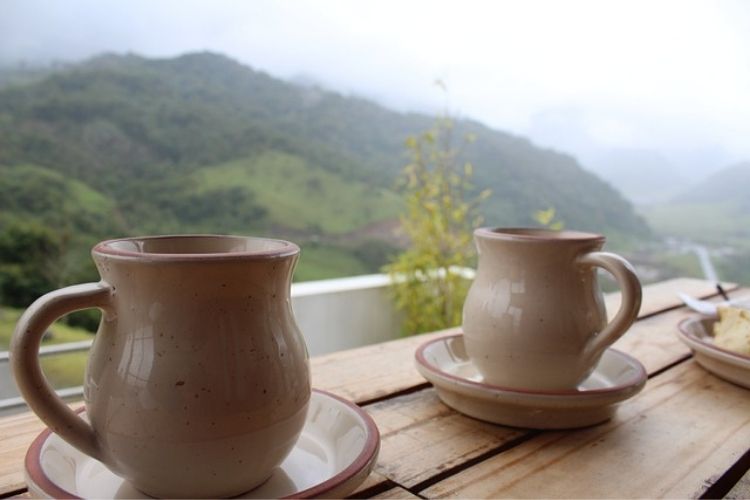
Our favorite way to celebrate St. Martin’s Summer is to have coffee or wine on the veranda. Or in particularly warm years, even a picnic lunch!

We haven’t had a real St Martin’s summer this year. It’s colder than usual with grey, rainy days. But don’t let that fool you, the flowers are still in bloom and umbrellas are more in demand than winter coats. And there’s always hope that next year we’ll have summer in November again. Some years it’s been so warm that our strawberry plants have started bearing again!
Legend or reality, I can’t help but admire anyone who would share their coat! And I wonder, would I have shared mine? Would you? Anyway, Happy St. Martin’s Day! How about some wine and chestnuts?
📷 Image credits: wine on wall; wine by fire; coffee; others are mine



![Don't you Know You Are Beautiful? [Video]](https://signorasheila.blog/wp-content/uploads/2018/02/beautiful-woman-painting-1.jpg?w=750)
 Signora Sheila